Loading...
Serving Somerville, MA and surrounding areas. (617) 634-5990
Clearstone Somerville Concrete is a concrete contractor serving Manchester, NH with concrete cutting, driveway installation, steps, retaining walls, and foundation work on the city's older homes. We know Manchester's mill-era housing stock, its tight South End and North End lots, and the 4-foot frost depth that separates work that lasts from work that fails. Every inquiry gets a response within 1 business day.
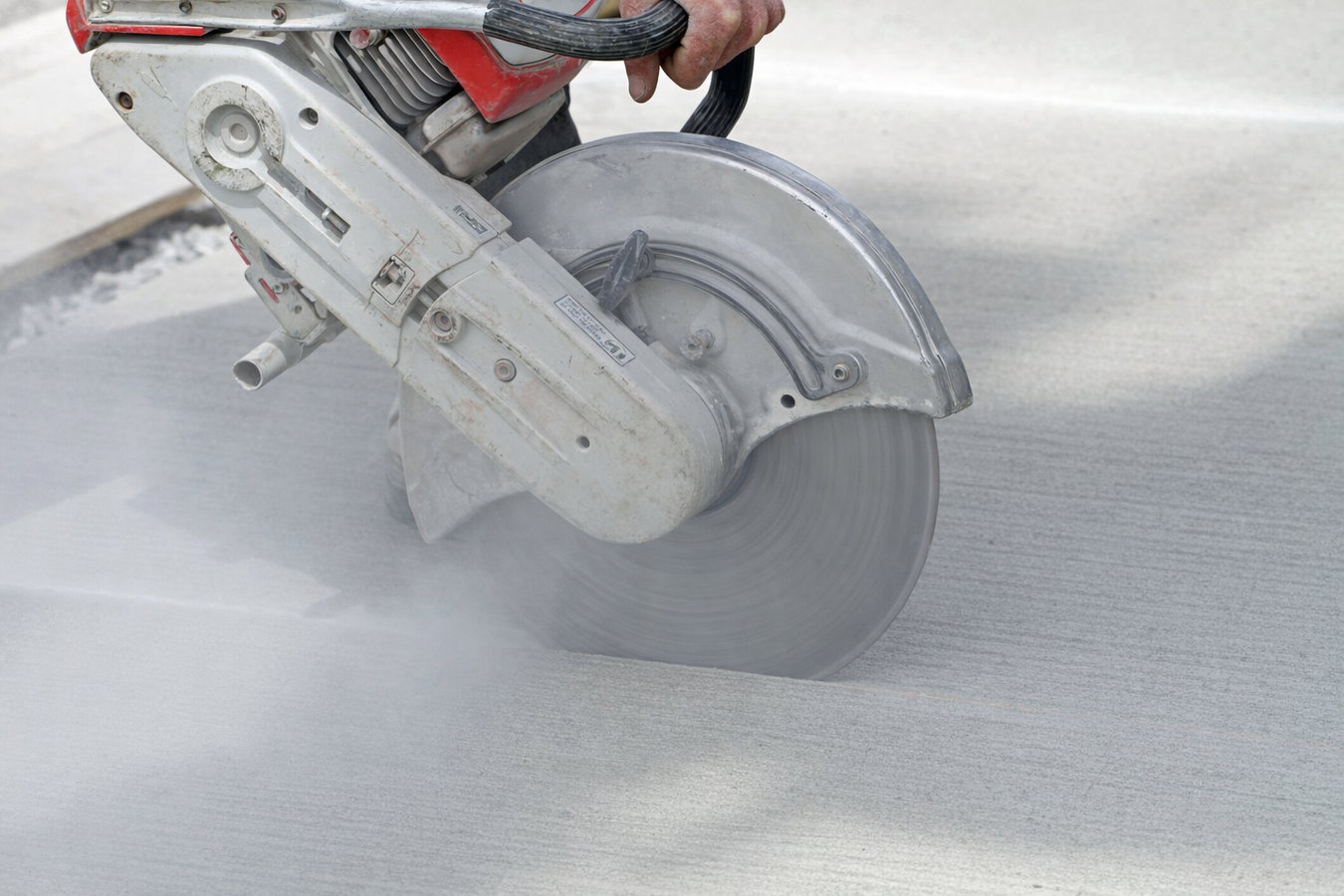
Manchester homeowners converting older basements into living space regularly need foundation walls cut for egress windows or utility trenches cut across floors for new plumbing. In homes built before 1940, the concrete can be unpredictable, thicker in some sections than others, with old utility lines that were never documented. Our concrete cutting work includes scanning for utilities before any cut begins, straight clean edges that hold up through freeze-thaw seasons, and complete debris removal from your property the same day.
Manchester averages around 60 inches of snow per year, and frost depth in southern New Hampshire can reach 4 feet. Driveways in the South End and North End often sit on inadequate subbase material that was never built to handle that level of freeze-thaw stress. We remove failing slabs, rebuild the subbase to the depth that Manchester's frost conditions demand, and pour air-entrained concrete with proper reinforcement and cover, giving new driveways the foundation to last for decades in a real New Hampshire winter.
The triple-decker and two-family homes throughout Manchester's older neighborhoods have front stoops that fail when the footing was set above the frost line. Southern New Hampshire's 4-foot frost depth means shallow footings heave significantly every winter, tilting risers and separating steps from the foundation wall over time. We demolish failing stoops back to grade, set footings at the depth required for Manchester's climate, and build steps that stay plumb and level through seasons that would move a shallow pour within a few years.
Properties on the hillier streets of Manchester's West Side and in neighborhoods with significant grade changes face drainage challenges that flat urban lots do not. When spring snowmelt combines with rain, water channels toward the foundation on sloped lots. Concrete retaining walls sized to the soil pressure and height involved, with footings below the frost line and proper drainage behind the wall, solve the slope problem and protect the foundation at the same time. We assess drainage conditions before writing any retaining wall estimate for a Manchester property.
Manchester homes built in the late 1800s and early 1900s for mill workers often have foundations made of brick, stone rubble, or early poured concrete that was not designed for modern loads or today's freeze-thaw expectations. The Merrimack River spring flooding that can affect low-lying Manchester neighborhoods also puts sustained hydrostatic pressure on older foundation walls. We repair structural cracks, install drainage at the footing where needed, and address the underlying moisture conditions that determine whether a foundation repair holds for five years or twenty-five.
Manchester grew up housing workers for the Amoskeag mills, and a large share of its residential buildings date to before 1940. These are old homes by any measure, with foundations made of materials that predate modern concrete standards, shallow footings on stoops and steps that were never intended to survive a 4-foot frost depth, and drainage systems designed for a city that has changed dramatically since they were built. A contractor who treats these properties like new suburban construction misses everything that matters on the job.
Southern New Hampshire's climate is meaningfully harder on concrete than eastern Massachusetts. Manchester averages around 60 inches of snow per year, and frost penetration can reach 4 feet, significantly deeper than the 48-inch depth that Massachusetts codes require. When shallow footings under steps and stoops freeze and heave, the movement is not subtle. Risers tilt, steps separate from the foundation wall, and homeowners often assume the problem is just cosmetic. It is not. The footing is the failure, and patching the surface without addressing the footing repeats the problem in two to three seasons.
Manchester's mix of dense urban neighborhoods and newer outer-city subdivisions creates a wide range of property types and access conditions. Tight lots in the South End and North End limit equipment access in ways that affect scheduling and cost. The newer Colonial and Cape Cod homes on Manchester's West Side sit on larger lots with different foundation profiles and different concrete durability needs. Understanding which neighborhood a property is in, and what that means for the job, is part of what separates a contractor who works in Manchester from one who just shows up and measures.
We pull permits through the Manchester Building Department for all permitted concrete work in the city, and we have worked on the full range of Manchester property types, from dense South End triple-deckers with narrow side yards and shared driveways to larger single-family homes in newer subdivisions on the city's edge. On tight urban lots, staging equipment and scheduling pours requires planning that suburban jobs do not demand, and our estimates reflect the actual access conditions at each property rather than assuming open-lot conditions that do not exist in the older neighborhoods.
Manchester is the largest city in New Hampshire and serves as a regional hub for southern Hillsborough County. Elm Street anchors downtown, and the historic Amoskeag Millyard along the Merrimack River is the most recognizable landmark in the city. The residential neighborhoods on both sides of downtown, the North End and South End, have housing that reflects the mill era, with two- and three-family homes packed closely on lots that were built for a different time. We know what to expect when we open up a floor or trench through a foundation on one of these properties.
We also serve Somerville to the south, where the dense urban housing stock and freeze-thaw conditions share a lot in common with Manchester's older neighborhoods, and Lowell to the southeast, another mill city with pre-1940 housing that presents the same concrete durability challenges as Manchester's South End.
Call us or fill out the contact form and we respond within 1 business day. We ask a few questions about the project type, the property, and your access conditions, then schedule a site visit that fits your availability.
We inspect existing conditions, assess the subbase, footing depth, drainage, and access, and provide a written estimate that itemizes every cost component. On Manchester's older properties, subbase and footing conditions often drive the cost more than the pour itself, and we explain what we found and why it matters before you commit to anything.
We file permit applications with the Manchester Building Department, which typically processes residential permits in one to two weeks. Active on-site work runs two to four days for most residential concrete projects; you do not need to be home during the work.
After the pour, we walk you through the cure schedule: foot traffic after 24 hours, vehicles after 7 days, full structural strength at 28 days. We coordinate any required final inspection with the city and leave the site clean before we leave.
We serve Manchester homeowners and property owners across all neighborhoods, from the South End and North End to newer streets on the West Side. Call or submit your project details and we will respond within 1 business day.
(617) 634-5990Manchester is New Hampshire's largest city, with a population of roughly 115,000 spread along the Merrimack River in the southern part of the state. It grew up entirely around the Amoskeag Manufacturing Company, once one of the largest textile mill complexes in the world, and the neighborhoods built to house mill workers are still standing and still occupied today. The South End and North End have tight streets, closely packed two- and three-family homes on small lots, and housing that in many cases dates to before 1900. The West Side and outer neighborhoods have more single-family homes from the mid-20th century on larger lots, giving the city a genuine mix of building types and eras.
Downtown Manchester is anchored by Elm Street, and the historic Millyard along the river has been converted from industrial use into offices, restaurants, and apartments. SNHU Arena near downtown hosts the Manchester Monarchs and serves as the city's main event venue. Rimmon Heights and the areas of the West Side beyond Elm Street have a quieter, more residential character with larger lots and more recent construction. The Merrimack River runs the length of the city's eastern edge, and low-lying neighborhoods near the river can see significant spring flooding when snowmelt and rainfall combine in March and April.
We serve Manchester alongside other communities in the region, including Lowell to the southeast, another former mill city where older housing and harsh winters create the same concrete durability demands as Manchester, and Somerville further south, where dense urban neighborhoods and pre-1940 housing stock are conditions we know well across the region.
Durable concrete driveways designed and poured to last for decades.
Learn moreCustom concrete patios that extend your outdoor living space with lasting quality.
Learn moreDecorative stamped patterns that give concrete the look of stone, brick, or tile.
Learn moreSafe, level concrete sidewalks installed to local code and finished clean.
Learn moreSmooth, sealed concrete garage floors built to handle daily vehicle traffic.
Learn moreCustom decorative concrete finishes that add character to any surface.
Learn moreStructural retaining walls that hold soil, manage grade changes, and look sharp.
Learn moreInterior concrete floors poured flat, smooth, and ready for any finish.
Learn moreSlip-resistant, weather-ready concrete pool decks built for outdoor comfort.
Learn moreSolid concrete steps designed for safety and curb appeal at every entrance.
Learn moreEngineered concrete slab foundations poured right the first time.
Learn moreComplete foundation installation services for new construction and additions.
Learn moreHeavy-duty concrete parking lots built for long-term commercial use.
Learn moreProperly sized and reinforced footings that give every structure a solid base.
Learn morePrecision foundation lifting to correct settling and restore structural level.
Learn moreClean, precise concrete cutting for utility access, repairs, and modifications.
Learn moreServing these cities and communities.
Deep frost, older foundations, and tight urban lots require a contractor who knows Manchester. Call now or request a free estimate and we will respond within 1 business day.