Loading...
Serving Somerville, MA and surrounding areas. (617) 634-5990
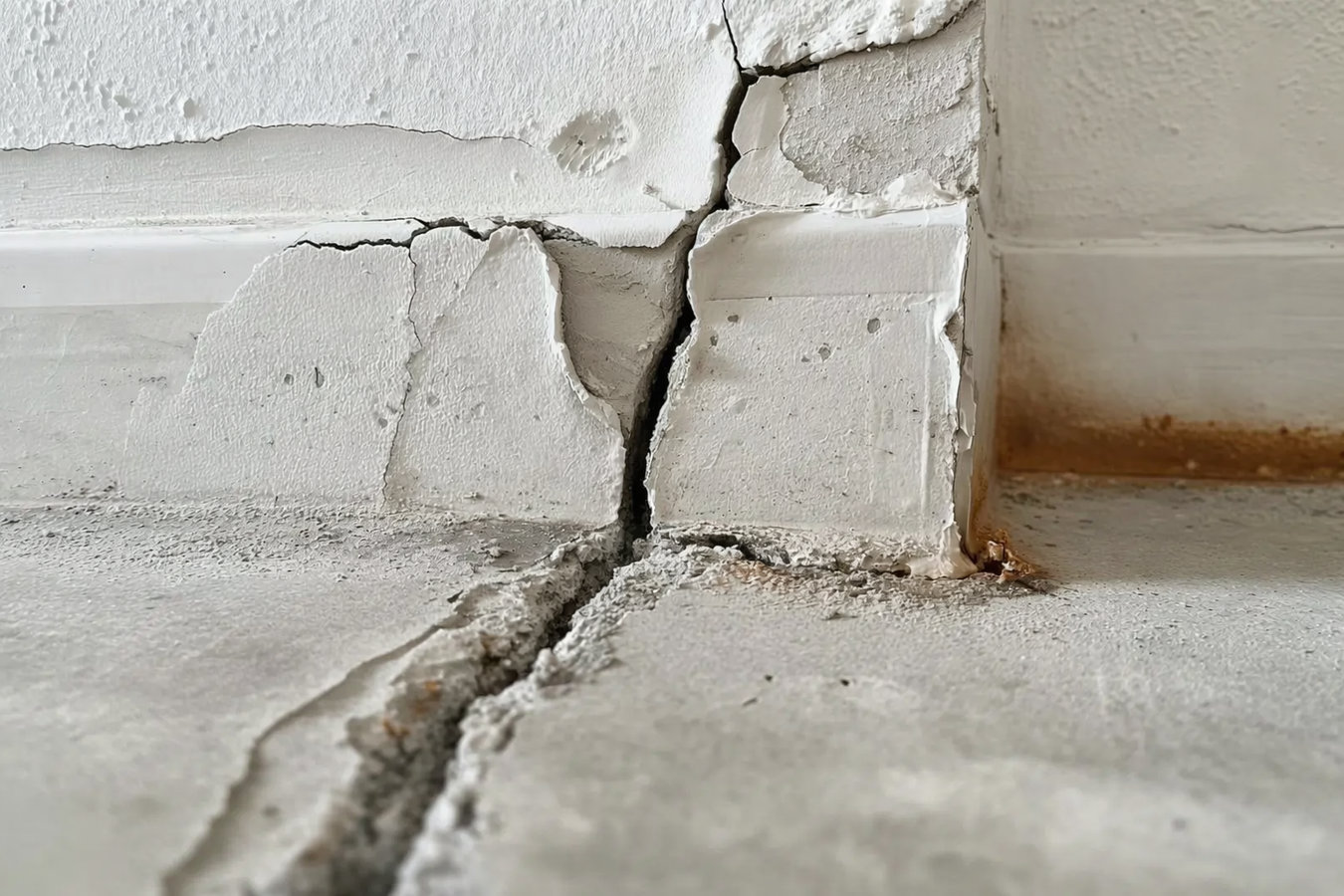
Sunken steps, tilting stoops, and uneven basement floors are signs the soil under your foundation has shifted. We lift and stabilize settled concrete, handle the Somerville permit process, and address what caused the movement so it does not come back next winter.
Foundation raising in Somerville lifts sunken or uneven concrete slabs back to level by pumping material under them to fill voids left by soil movement - most residential jobs take two to six hours on site, with the surface walkable the same day, and no need to tear out and replace existing concrete.
Somerville's combination of clay-heavy soil, older housing stock, and more than 100 freeze-thaw cycles per year makes foundation settlement a common problem here. Front stoops pull away from the house, basement floors develop low spots, and driveways tilt toward the street. In most cases, the concrete itself is still structurally sound - what has failed is the soil underneath it. Foundation raising fills that void and restores the level surface without the cost and disruption of a full replacement.
When raising is not the right answer because the concrete itself is too damaged, our foundation installation service covers full replacement and new poured foundations for residential properties.
If you can see a gap between your front steps and the main foundation wall, or the steps tilt noticeably toward the street, the slab underneath has likely settled. This is one of the most common signs in Somerville's older triple-deckers and row houses, where front stoops were often poured separately and are the first to move. Left alone, the gap grows wider each winter and becomes a trip hazard.
After a hard Somerville winter, if interior doors suddenly drag on the floor or exterior doors no longer latch easily, the foundation may have shifted during the freeze-thaw season. Pay attention when this sticking is new - it was not happening last year - because that suggests recent movement rather than an old, stable condition. New sticking is a signal worth investigating before the next freeze makes it worse.
Diagonal cracks spreading from the corners of door frames, or cracks along the floor where it meets the wall, are signs that part of the structure has moved relative to another part. Not every crack means a crisis, but cracks wider than a quarter-inch or that have grown since you first noticed them deserve a professional assessment. In Somerville's pre-1950 housing stock this kind of movement is common and usually addressable.
If standing water consistently appears against your foundation wall or in your basement after rain or snowmelt, the soil may have settled enough to direct water toward the house rather than away from it. In Somerville's clay-heavy soil, this pooling accelerates the settlement cycle. Drainage correction and foundation lifting often need to be addressed together to stop the problem from repeating.
We lift sunken concrete for residential properties throughout Somerville using either mudjacking or polyurethane foam injection depending on the site conditions, the severity of the settlement, and the access constraints of your property. Mudjacking pumps a cement-based slurry under the slab; foam injection uses an expanding polyurethane material that is lighter, cures faster, and requires smaller drill holes. Both methods fill the void under the slab and restore level. We assess the cause of settlement before recommending either method, because a lift that ignores drainage or soil instability will not last.
For properties where the existing concrete is too damaged to raise and needs full replacement, our concrete cutting service can remove the old slab cleanly so a new foundation or slab can be poured. We frequently coordinate both phases of work when a client needs the old concrete out and a new pour in its place.
Every structural foundation job in Somerville requires a building permit, and we handle that process with the city's Inspectional Services Department on your behalf. Somerville lots are small and tightly packed, and we use foam injection equipment compact enough to work down shared driveways and through narrow side yards without requiring heavy excavation equipment or disrupting neighboring properties.
Suits properties where the void is large, the slab is intact, and cost per lift is the primary concern.
Suits tight urban lots, fast-turnaround jobs, and areas where the lighter material is better suited to the soil conditions.
Suits Somerville triple-deckers and row houses where front stoops have separated from the main foundation.
Suits older homes where the basement slab has developed low spots or an uneven walking surface from years of soil movement.
Somerville averages more than 100 freeze-thaw cycles per year. Each cycle pushes and pulls the soil under your foundation, slowly creating voids that cause slabs to drop. This is not a one-time event - it is an ongoing process, and any repair needs to account for future soil movement, not just fix what has already happened. The city's pre-1950 housing stock compounds the issue: foundations from that era were often built with rubble stone or early poured concrete that was not engineered to modern standards, and many have been dealing with incremental settlement for decades.
The lower-lying parts of the city near the Mystic River and Assembly Row sit on clay-heavy fill soil with a higher water table. Clay expands when wet and contracts when dry, which accelerates the settlement cycle compared to the hillier neighborhoods. Homeowners in Somerville near these corridors tend to see more frequent settlement than those in elevated areas like Winter Hill or Spring Hill. Understanding the specific soil conditions on your street is part of how we assess which lifting method is appropriate.
We work throughout the Somerville service area and also serve homeowners in Cambridge and Medford, where the same clay soil and freeze-thaw conditions apply and older housing stock faces the same settlement patterns. Foundation raising is one of the most cost-effective repairs available to homeowners in these communities, provided the underlying soil problem is addressed alongside the lift.
Call or submit a request online and we will reply within one business day. We will ask where the settled area is, how long you have noticed it, and whether you see any visible cracks or gaps. This helps us arrive prepared with the right equipment and give you a realistic sense of what the visit will involve.
A contractor walks the affected area with you, checks the slab from multiple angles, and probes the soil around the edges to understand why it moved, not just how much. This assessment shapes the method we recommend. You receive a written quote that covers the permit fee, lifting work, and hole patching with no hidden additions.
For structural foundation work in Somerville, a building permit is required through Inspectional Services. We handle the application. Permit processing typically adds three to five business days before work can begin. The permit is your protection: it creates a documented record of the repair that matters when you refinance or sell.
The crew drills small holes, pumps lifting material underneath, and watches the slab rise to level. The whole process for a typical residential job takes two to six hours. Once level, holes are patched with concrete mix. Before leaving, we walk through the repair with you and explain what to monitor through the first freeze-thaw season.
We will walk the affected area with you, explain what we find, and give you a written quote. No obligation to move forward.
(617) 634-5990We do not quote lifting without understanding why the slab moved. That means checking drainage, soil conditions, and whether the foundation material itself is sound before recommending a method. A lift that ignores the underlying cause will fail again. You deserve an honest assessment, even if the honest answer is that raising is not the right tool for your situation.
Every structural foundation job we take in Somerville goes through the city's Inspectional Services Department. We handle the permit application and coordinate the inspection. That documentation protects your home's value and gives you clean records for refinancing, insurance claims, and future sales. Contractors who skip permits are cutting a corner that creates problems down the road.
Somerville is one of the most densely packed cities in New England, and most residential lots offer very little staging room. We use foam injection equipment compact enough to move through narrow side yards and down shared driveways without the heavy machinery a suburban job might require. Your neighbors' property and your own landscaping stay intact.
We work in all 12 of our service area communities, including Cambridge, Medford, and Malden, where the same older housing stock and clay soil conditions apply. A contractor who knows the local soil types, permit offices, and housing stock across the region brings a different level of preparation than one who shows up to your address for the first time.
Foundation settlement in Somerville is common, but a bad repair is worse than no repair. Choosing a contractor who explains the cause, pulls the permit, and uses the right method for your specific soil conditions is the difference between a fix that lasts and one that fails by the second winter. We are Massachusetts Home Improvement Contractor registered and carry Construction Supervisor Licensure for structural work - both verifiable through the state before you hire us.
Precision sawing and wall cutting to open foundation walls, remove damaged sections, or trench basement floors for utility work.
Learn moreFull foundation pours for Somerville additions and new construction, engineered for frost depth and the city's clay-heavy soil.
Learn moreSomerville's freeze-thaw season starts earlier than most homeowners expect. Getting your repair done now means one less thing to worry about when the temperature drops.