Loading...
Serving Somerville, MA and surrounding areas. (617) 634-5990
Clearstone Somerville Concrete is a concrete contractor serving Worcester, MA with garage floors, driveways, retaining walls, foundation work, and steps on the city's older homes. We know Worcester's hilly terrain, its pre-1940 housing stock, and the freeze-thaw conditions that are harder here than anywhere closer to the coast. Every inquiry gets a response within 1 business day.
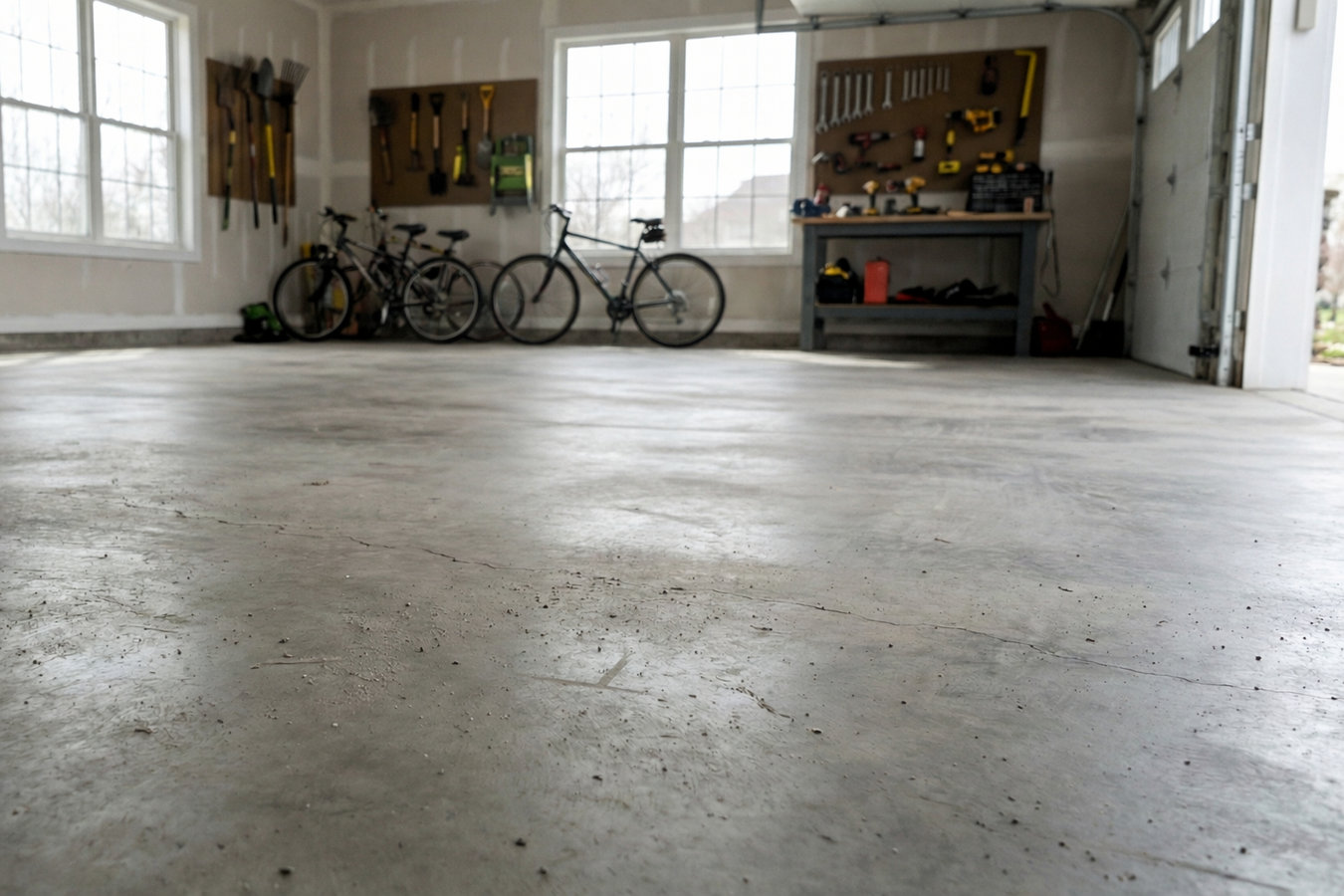
Worcester garages in homes built before 1960 commonly have floors that were poured directly on grade with no vapor barrier and minimal subbase preparation. When the soil underneath absorbs seasonal moisture and freezes, the slab heaves, cracks, and eventually crumbles at the surface. Our garage floor concrete work starts with full removal, proper subbase build-up, and a reinforced pour that accounts for the freeze-thaw stress that comes with Worcester's 60-plus inches of annual snow.
Worcester sits at around 500 feet above sea level and gets more snow and harder freezes than eastern Massachusetts. Driveways in Main South, Grafton Hill, and other older Worcester neighborhoods frequently show heaving and surface spalling after decades of freeze-thaw cycling. We remove failing material, rebuild the subbase to the required depth, and pour air-entrained concrete with proper cover over reinforcement, giving the surface the tools to survive central Massachusetts winters.
Worcester is a genuinely hilly city, and many residential lots on streets in Burncoat, Tatnuck, and Vernon Hill have grade changes that channel water toward the house foundation. Concrete retaining walls solve both problems at once: they hold the slope and direct runoff away from the structure. We size walls to the soil pressure and height involved, set footings below the 48-inch frost line, and account for the drainage behind the wall that determines how long it lasts.
Triple-deckers and two-family homes throughout Worcester typically have front stoops and shared entry steps that fail when the footing was never set below the frost line. Seasonal movement tilts risers, separates steps from the foundation wall, and creates trip hazards on heavily used entryways. We demolish failing stoops back to grade, set new footings at the correct depth for Worcester's climate, and build steps that stay level through Massachusetts winters.
Concrete patios on Worcester's sloped lots need drainage planning that flat-lot projects in other cities do not. Without positive slope away from the foundation and correctly spaced control joints, patios on hillside properties collect standing water and crack from both freeze-thaw cycling and differential settlement. We design patio grades, joint patterns, and subbase depth based on the actual conditions at each Worcester site.
More than half of Worcester's housing units were built before 1940, making it one of the oldest housing markets in Massachusetts. The city's triple-decker and two-family homes were put up during the late 1800s and early 1900s using whatever concrete standards existed at the time, which means shallow footings, undersized reinforcement, and minimal subbase preparation on most original flatwork. When contractors treat these properties like new construction, they skip the diagnostic work that reveals what actually failed and why.
Worcester's inland elevation creates climate conditions that are harder on concrete than eastern Massachusetts. The city averages 60 to 65 inches of snow per year, temperatures drop below 10 degrees Fahrenheit on the coldest nights, and the freeze-thaw cycling from November through March is relentless. On older slabs poured without air-entrained concrete, the freeze-thaw process breaks apart the surface from the inside out within a decade or two. Surface patching does not stop this, and replacing just the top layer on a failed subbase repeats the failure.
Worcester's hilly terrain adds a drainage layer to every concrete project. Streets in Burncoat, Vernon Hill, and Tatnuck run up and down steep grades, and properties on these streets often have hillside drainage routing toward the foundation rather than away from it. Retaining walls, proper slab grading, and drainage considerations are built into every estimate we write for Worcester properties, not treated as extras after the fact.
Our crew pulls permits through the Worcester Inspectional Services Division for all permitted concrete work in the city, and we have handled the full range of Worcester property types, from dense triple-decker blocks near downtown to larger single-family homes on the west side in Tatnuck and Burncoat. The difference between those two property types matters on every job: tight urban lots near Main South limit equipment access and require hand-work staging that open suburban lots do not, and our estimates account for those conditions rather than treating every Worcester job the same.
Worcester is Massachusetts' second-largest city, and the range of neighborhoods we work across is wide. Shrewsbury Street and the east side near Green Hill Park have a mix of housing ages and property types. The neighborhoods closest to Polar Park in the Canal District have seen significant renovation activity in recent years. All of these areas sit on the same underlying terrain, which means the drainage and soil conditions we manage on one Worcester job inform the next one across town.
We also serve Quincy to the east, where the South Shore coastal climate creates different concrete durability challenges than Worcester's inland conditions, and Brockton to the southeast, where the clay-heavy soils and older housing stock have a lot in common with Worcester's pre-1940 neighborhoods.
Call us or fill out the contact form and we respond within 1 business day. We ask a few questions about the project scope and schedule a site visit that works around your availability.
We inspect the existing conditions, assess subbase material, grade, drainage, and soil type, and provide a written estimate that itemizes demolition, base prep, reinforcement, and the pour. On Worcester's hilly lots, that drainage assessment can change the cost significantly, and we explain exactly what we found and why it matters before you commit.
We handle permit applications with Worcester Inspectional Services, which typically takes one to two weeks for residential work. Active on-site work runs two to four days for most residential concrete projects; the homeowner does not need to be present during the work.
After the pour, we walk you through cure times: foot traffic after 24 hours, vehicles after 7 days, full structural strength at 28 days. We schedule any required final inspection and leave the site clean.
We serve Worcester homeowners and property owners across all neighborhoods, from the west side in Tatnuck and Burncoat to the older streets near downtown. Call or submit your project details and we will respond within 1 business day.
(617) 634-5990Worcester is Massachusetts' second-largest city, with a population of roughly 206,000 spread across 38 square miles of hilly central Massachusetts terrain. It sits about 45 miles west of Boston and at a noticeably higher elevation, which gives it more snow and colder winters than most of the state. The city grew up during the industrial era, and its neighborhoods reflect that history: dense blocks of triple-deckers and two-family homes in areas like Main South, Piedmont, and Vernon Hill sit alongside quieter residential streets on the west side in Tatnuck and Burncoat. You can learn more about the city on Worcester's Wikipedia page.
A large share of Worcester's housing units were built before 1940. These are mostly wood-frame buildings with varying degrees of original or updated exterior materials, and they sit on lots that often have significant grade changes. The Canal District near the Merrimack Canal and the new Polar Park stadium has seen substantial investment in recent years, while neighborhoods like Grafton Hill and Green Island to the south have an older, denser character. Green Hill Park on the east side covers more than 400 acres and anchors a residential section with a mix of housing ages and property types.
We serve Worcester along with other communities across the region, including Quincy on the South Shore and Lowell to the northeast, two other cities with significant older housing stock and similar concrete durability challenges from Massachusetts winters.
Durable concrete driveways designed and poured to last for decades.
Learn moreCustom concrete patios that extend your outdoor living space with lasting quality.
Learn moreDecorative stamped patterns that give concrete the look of stone, brick, or tile.
Learn moreSafe, level concrete sidewalks installed to local code and finished clean.
Learn moreSmooth, sealed concrete garage floors built to handle daily vehicle traffic.
Learn moreCustom decorative concrete finishes that add character to any surface.
Learn moreStructural retaining walls that hold soil, manage grade changes, and look sharp.
Learn moreInterior concrete floors poured flat, smooth, and ready for any finish.
Learn moreSlip-resistant, weather-ready concrete pool decks built for outdoor comfort.
Learn moreSolid concrete steps designed for safety and curb appeal at every entrance.
Learn moreEngineered concrete slab foundations poured right the first time.
Learn moreComplete foundation installation services for new construction and additions.
Learn moreHeavy-duty concrete parking lots built for long-term commercial use.
Learn moreProperly sized and reinforced footings that give every structure a solid base.
Learn morePrecision foundation lifting to correct settling and restore structural level.
Learn moreClean, precise concrete cutting for utility access, repairs, and modifications.
Learn moreServing these cities and communities.
Central Massachusetts winters are hard on concrete. Call now or request a free estimate and we will assess your Worcester property within 1 business day.